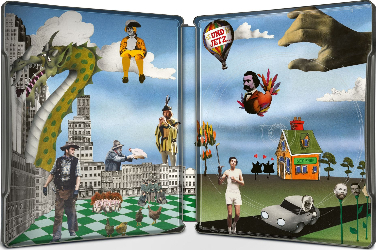
Monty Python’s Fliegender Zirkus
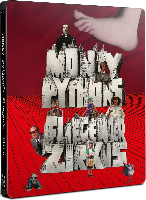
Monty Python’s Flying Circus having successfully launched on the BBC in October 1969, it was early in the following decade that German entertainer and producer Alfred Biolek became aware of them on a visit to Britain, impressed by the blend of comedic and acting skills which was rare in his homeland and believing that the absurdist, anti-authoritarian comedy would translate well to his native audiences, asking the troupe to meet with him to discuss possibilities, apparently lubricated with copious amounts of alcohol.
Writers and performers Graham Chapman, John Cleese, Terry Gilliam, Eric Idle, Terry Jones and Michael Palin initially reluctant, ultimately two episodes were produced under the banner of Monty Python’s Fliegender Zirkus, broadcast in January and December 1972, featuring a variety of existing, adapted and new sketches, the dialogue for the first episode learnt by the cast phonetically but delivered in flawless German with impressive skill while, to ease the burden, the second was recorded in English then dubbed.
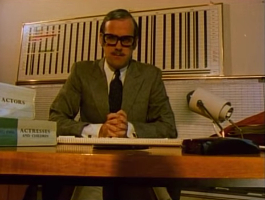
Given extensive restoration overseen by Gilliam whose surreal animations now pop with vibrant colour, the situations are the same but different, familiar but fresh, Python’s dynamic featuring much visual and non-verbal humour which is easy to migrate to a new setting, then switching to mocking of the intellectual and artistic, clashing the classical and the modern and much of the material outrageous or at least risqué in the period, Chapman delighting in the opportunity to dress in gowns and find himself in romantic clinches with men while on the football pitch fertility dances are performed.
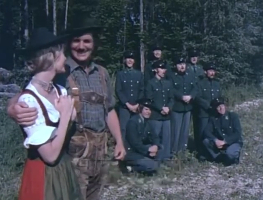
The beautiful Bavarian countryside allowing the pastoral to be sullied by the profane, nothing is sacred, the celebrations of the 500th anniversary of the birth of the German Renaissance painter Albrecht Dürer and the upcoming Munich Olympics making both easy targets, though the English culture, manners and expectations of behaviour which the sextet carried were savaged with equal ruthlessness alongside the usual figures of authority, doctors, members of the clergy and the military, and of course politicians and bureaucrats all subverted.
With an introduction which enlisted Claudia Doren, a continuity announcer at broadcaster Westdeutscher Rundfunk disrespectfully dunked in a bog, it is the illusion of professionalism within the media which the Pythons perhaps take most joy in demolishing, their habit of transitions between scenes which spill into each other and later looping back to earlier skits breaking the fourth wall and placing false endings in episodes making the station silent accomplices in the anarchic action.
The contemporary reception to the first episode of Monty Python’s Fliegender Zirkus mixed, in fact it is this which has dated better, the second suffering from the drag of fewer but longer sketches, many of which are not as funny as they should be, but the additional material on the disc, including the 1971 Montreux Special of recut existing material and new linking scenes is composed of end-to-end classic sketches, alongside outtakes from the German episodes and a look at the restoration processes undertaken on the footage.
Monty Python’s Fliegender Zirkus is available on Blu-ray Steelbook from Mercury Studios now