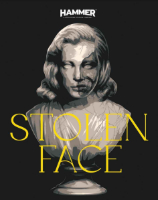
Stolen Face
Plastic surgeon Philip Ritter is both a very intelligent and capable doctor and a very stupid man as well as being both generous and selfish, catering to rich elderly ladies who dress in furs as they arrive by Rolls Royce to his central London apartment to discuss facelifts and offer large cash sums while also providing his services to the inmates at Holloway Prison.
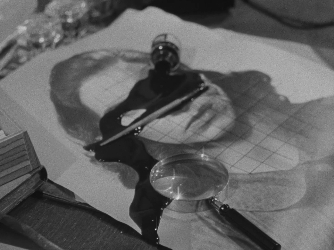
Aiding in the rehabilitation of the women there by removing the scars which mark them as outsiders, injured in the Blitz petty thief Lily Conover believes she can never reintegrate into society, but following a brief but consuming affair with concert pianist Alice Brent it is her face that Doctor Ritter uses as the basis for Lily’s recreation, marrying her in hopes somehow she can be the love he has lost.
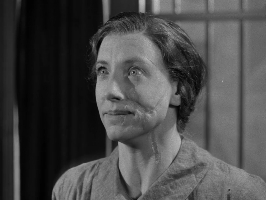
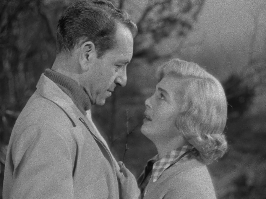
Directed by Terence Fisher and released in 1952, predating Hitchcock’s Vertigo by a full six years, Stolen Face blends genres in the same way as Paul Henreid’s egotistical Ritter places a new visage on unfortunate Lily (Mary Mackenzie), inspired by the beautiful Lizabeth Scott who plays both Alice and the post-operative Lily, two very different personalities wearing the same face, one gentle and caring, the other coarse and unrepentant.
With André Morell in a supporting role as Alice’s manager and fiancé, doing the honourable thing and leaving her when it becomes apparent she loves another, it is the undoing of Lily and Philip’s already fragile marriage, she unable to sit still at the opera and he uncomfortable with her drinking in jazz clubs filled with lowlifes but determined that his greatest work will be a success until he realises Alice can now be his.
Frankenstein playing Pygmalion and creating a freakshow, assuming that changing Lily’s appearance and placing her stolen face in alien environment with little support would change the person she was, the film jumps through romantic comedy, thriller and medical horror to full melodrama, while Martin Berkeley and Richard Landau’s script is ahead of its time but also trapped in the era, superficial in its blithe treatment of the themes but entertaining regardless.
Restored in 4K from the original negatives, Hammer’s new edition of Stolen Face is offered more support than the patient with two new commentaries, an overview of Lizabeth Scott’s career, an archive interview with makeup artist Phil Leakey, a consideration of obsession in the cinema of the era, a look at the film in the context of the HUAC hearings in America, a profile of Oscar-winning costume designer Edith Head and galleries and new essays.
Stolen Face is available on 4K Ultra HD Blu-ray from Hammer now