1000 Women in Horror
An adjunct professor at the School of Communication and Creative Arts at Australia’s Deakin University and frequent contributor to supporting material across a range of boutique Blu-ray restorations of classic and modern horror whose publication 1000 Women in Horror, 1895 – 2020 was nominated for the Bram Stoker Award for Best Non-Fiction, film critic Alexandra Heller-Nicholas has collaborated with Pretty Bloody director Donna Davies to create a feature documentary of the same name.
Women and minorities historically under-represented in the arts, less supported, less recognised, less rewarded, horror in particular is often presented as a “man’s genre,” the belief being that women “aren’t supposed to be into horror… are told it’s not for them,” when with the first science fiction horror novel generally recognised to be Frankenstein; or, The Modern Prometheus, published by Mary Shelley in 1818, albeit initially anonymously, in fact “women practically invented it.”
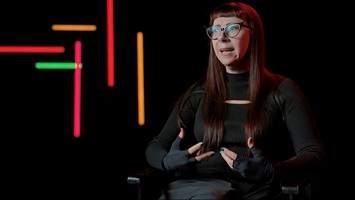
Heller-Nicholas and her cohort of fellow writers, directors and performers going through the lifecycle of women in parallel with the history of women in horror cinema, there are demonic and doll-like children (The Bad Seed, Interview with the Vampire), disenfranchised teenagers discovering their power (Carrie, Firestarter), the bonds of sisterhood (The Craft, Heavenly Creatures), pregnancy and motherhood (The Brood, The Babadook), and aging (Whatever Happened to Baby Jane?, Relic), familiar films illustrating points alongside more obscure offerings, Poison for the Fairies, A Girl Walks Home Alone at Night and Hellbender.
Violence against women inevitably a recurring theme throughout onscreen and behind the cameras, from school bullying to systemic abuse which women are simply expected to accept as the norm in a patriarchal society leading to the catharsis of revenge in I Spit on Your Grave and American Mary, the contributors are many, speaking out about their own experiences and how they have been channelled into their work, Brea Grant’s protagonist being gaslit when she is told she was Lucky it wasn’t worse, Nikyatu Jusu’s debut reflecting her own mother’s life as a Nanny.
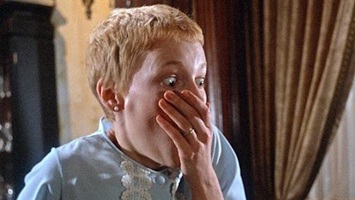
Heller-Nicholas admitting the name is a misnomer, there of course being far more than 1000 Women in Horror, the documentary cannot hope to be comprehensive so much as an overview of the broad and complex subject, but it is effective, engaging, entertaining and enlightening, American Psycho‘s Mary Harron talking of Rosemary’s Baby as being symptomatic of “being eradicated as a person” while Heller-Nicholas sees it representing “the nightmare of being infantalised.”
The Wrath of Becky‘s Katy Siegel recounting of her Caesarean section nightmare a particularly disturbing highlight, examined extensively elsewhere the iconic “final girl” does not need to be considered at length, but 1000 Women in Horror confirms, not that it should have been doubted, that women’s horror is as pointed, deep, relevant and as disturbing as men’s, a different perspective on life and experience of society, Heller-Nicholas celebrating the achievement of her sisters and their refusal to play nice without compromising their stories and visions: “It’s important that women do stuff, even if they are monsters.”
1000 Women in Horror is streaming on Shudder now