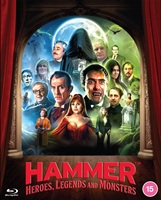
Hammer: Heroes, Legends and Monsters
Their name synonymous with horror, the legacy of Hammer Films is so profound and pervasive that for many they are considered the premiere British horror brand, established in 1934 and their first film, The Mystery of the Mary Celeste starring Bela Lugosi, released the following year, producing comedies, mysteries and thrillers as “quota quickies” to take advantage of tax support for home produced films with adaptations of radio serials and a chain of cinemas in hand waiting for product to screen.
Less a history of the films and the changing tastes of audiences in Britain which saw the fortunes of Hammer grow, wane and then rise again, securing an American distribution deal in 1951 which would see their films reach a larger market in return for the studio handling imported product as well as casting Stateside stars, director Benjamin Field’s documentary Hammer: Heroes, Legends and Monsters telling the story through a series of portraits of the individuals behind the scenes.
Hammer’s first forays into science fiction in the early fifties, Four Sided Triangle and Spaceways, followed in 1955 by The Quatermass Xperiment, adapted from “a landmark of television” in the words of Toby Hadoke, rated X by the BBFC it used what might have been a commercial death certificate as a branding, segueing more fully into horror over the following years with The Curse of Frankenstein, The Abominable Snowman, like Quatermass another adaptation of a Nigel Kneale teleplay, and finally (Horror of) Dracula in 1958, Count Dracula and Baron Frankenstein established as ongoing characters with Christopher Lee and Peter Cushing as their faces, with Jimmy Sangster and Terence Fisher in place as writer and director with James Bernard and Phil Leakey house composer and makeup artist.
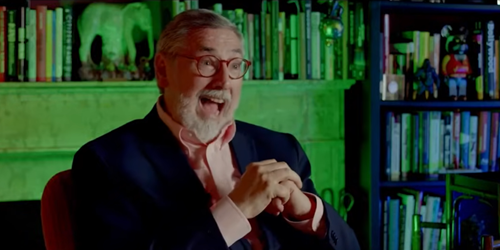
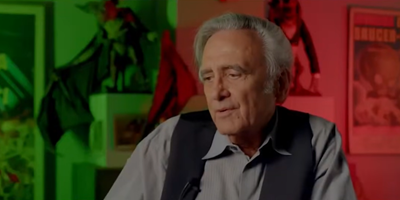
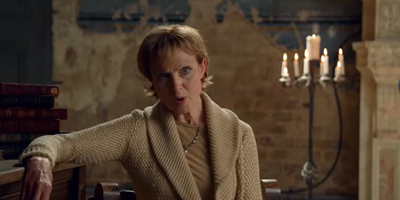
These key figures long gone along with producers William Hinds and his son Anthony and the Carreras dynasty, Enrique, James and Michael, the documentary is built around archive material and the recollections of those still around, One Million Years B.C.’s Martine Beswick, The Vampire Lovers’ Madeline Smith and Captain Kronos’ Caroline Munro alongside context and insight from experts on the genre, Andy Murray and Jonathan Rigby, as well as creators whose own work was inspired by their love of Hammer, Joe Dante, John Landis and Tim Burton, the tone enthusiastic and affectionate though reverence overwhelms any sense of impartiality.
Fisher the man who pushed for colour in The Curse of Frankenstein, the first major studio to move from monochrome in horror films though it had been experimented with in the thirties, the flowing red blood was a challenge for Hammer to get through the censors but reinvigorated their fortunes forcing others to adapt while also inspiring other studios to follow their lead, Amicus established in 1962 and using both Lee and Cushing as known factors to sell their productions and Tigon following in 1966, the former known for their portmanteau films such as Dr Terror’s House of Horrors and The House that Dripped Blood and the latter exploring contemporary settings in The Sorcerers and The Beast in the Cellar though both similarly bringing television properties to the big screen, Doctor Who and Doomwatch.
Struggling to adapt to changing trends and overlaying nudity and gore without changing their increasingly repetitive formula, Hammer faded in the seventies before being reinvigorated this century courtesy of The Woman in Black, Hammer: Heroes, Legends and Monsters recalling the studio at its greatest even if narrated with apparent indifference by Charles Dance, the documentary reminding of the World of Hammer showcase series and originally screened by Sky in 2024 but now receiving physical release alongside the studio’s ongoing project to remaster their back catalogue, supported by extended interviews, an alternative cut, behind the scenes footage and a trailer.
Hammer: Heroes, Legends and Monsters will be available on Blu-ray from Hammer from Monday 11th May